

Posts Tagged ‘Myofunctional Therapy’
The Tongue Tie. By: Dr. Nishita Ondhia
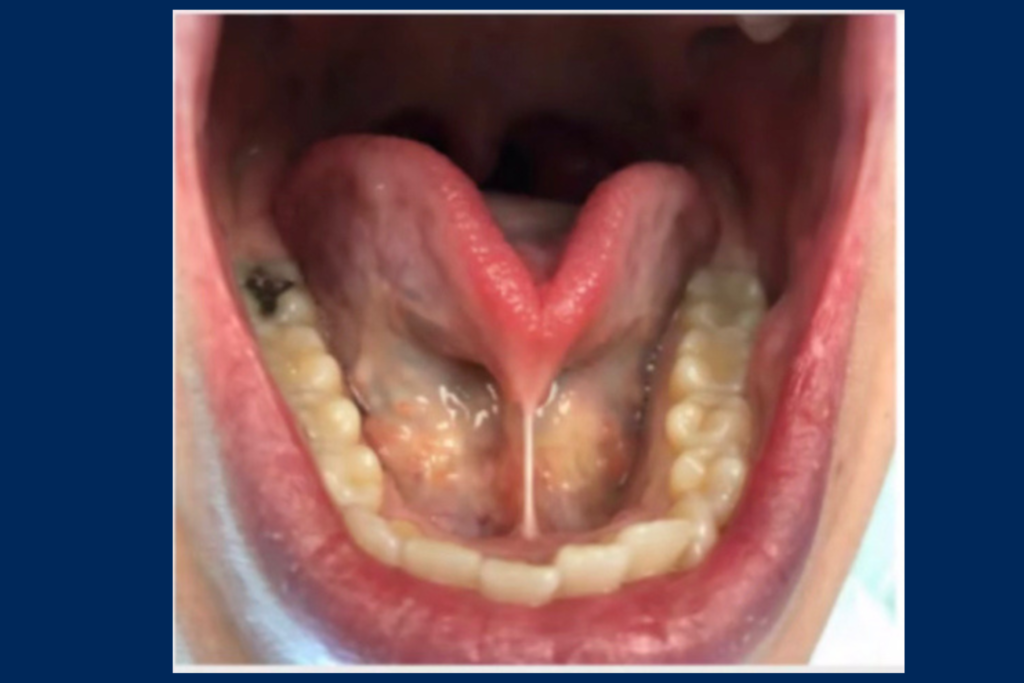
The tongue plays an important role in proper swallowing, nasal breathing, jaw development, TMJ stability and sleep quality. When it is restricted, tied or tethered the body will compensate and different symptoms will cascade. Some areas of symptoms are as follows: Feeding and Speech Sleep and Breathing Face and Jaw Development Behaviour and learning Feeding…
Read MoreThe Habit Corrector (HC). By: Dr. Nishita Ondhia
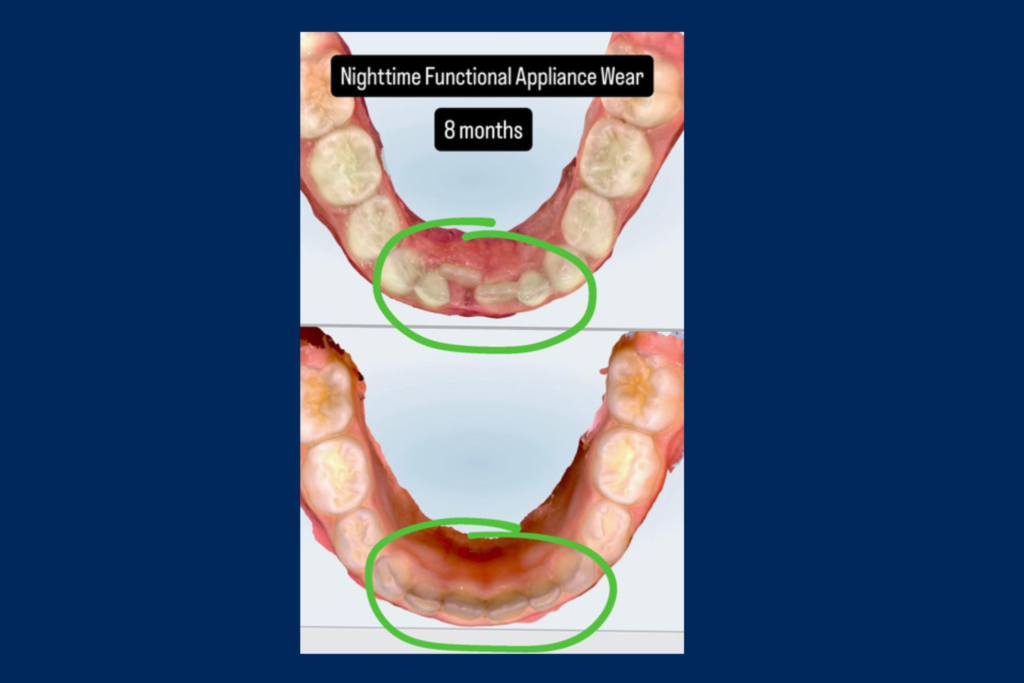
The Healthy Start Habit Corrector is a soft, removable, silicone appliance worn by children at night to eliminate harmful oral habits like mouth breathing, thumb sucking, tongue thrusting and incorrect swallowing. The key functions of the this functional device are: eliminates harmful habits encourages proper breathing works towards correcting jaw/dental development while guiding jaw growth…
Read MoreTongue Ties – to release or not? By: Dr. Nishita Ondhia
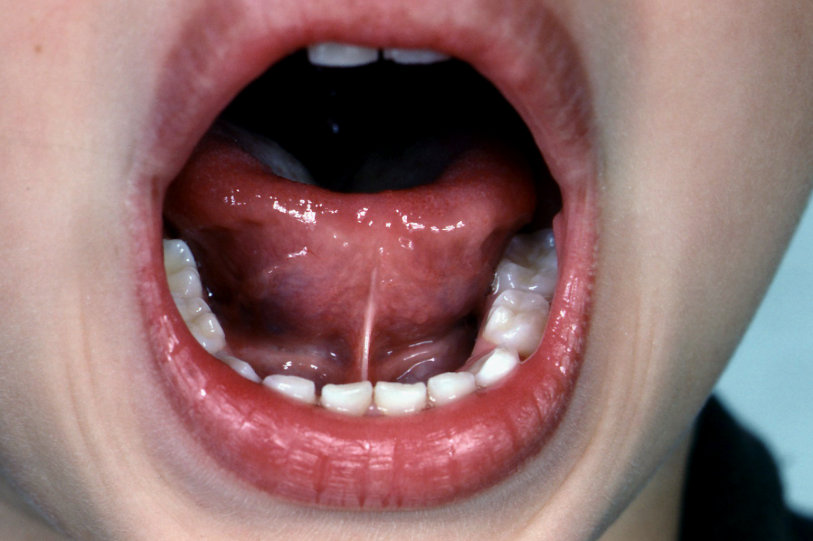
There are four functions of the tongue: Suck/Swallow (mastication) Speech (phonetic articulation) Structure (growth and development) Sleep (breathing and proper oral posture Correct Oral Rest Posture has 3 criteria: Tongue is Up (against the palate, the roof of the mouth) Lips are together and Sealed Nasal Breathing (air in and out via the nose)…
Read MoreEpigenetic Orthodontics By Dr. Nishita Ondhia
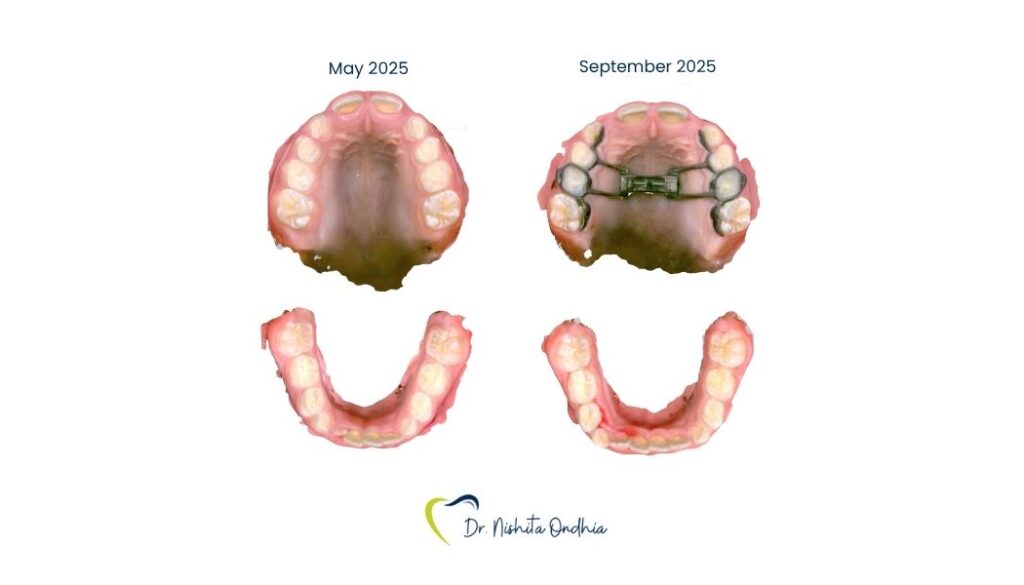
As an airway dentist, our focus is to assess breathing problems by examining the structure and function of the mouth, jaw and nasal passages. The tools we use to provide treatment options include dental appliances, orthodontics, myofunctional therapy and most exciting is epigenetic orthodontics What is Epigenetic Orthodontics? It is early interventional orthodontic therapy to…
Read MoreThe Proper Swallow By: Dr. Nishita Ondhia

For far too long, the dental and medical communities have not given enough credit to one of the most amazing muscles in the body, the tongue. The tongue is a muscular organ in the mouth. It is known for its function in digestion, taste, speech, breathing and oral hygiene. Interestingly, the tongue has a…
Read MoreFrequent Ear Infections Antibiotics, Tubes or A Simple Proper Swallow? By Dr. Nishita Ondhia
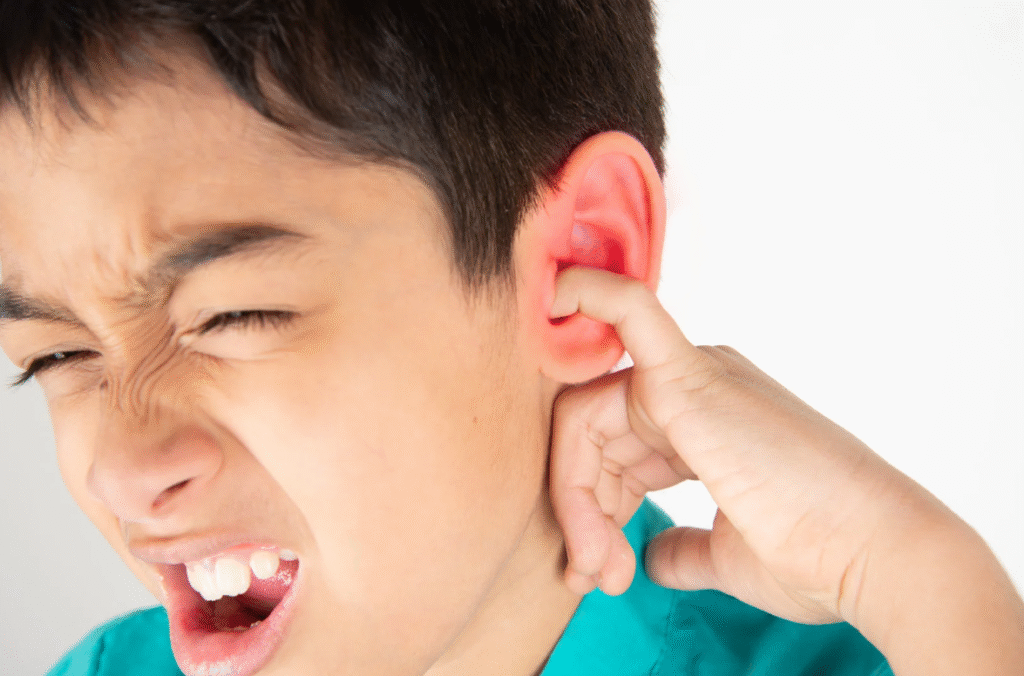
A common concern amongst our younger population is the frequent ear infection. In keeping with the current break and fix model of medical care where a quick fix to alleviate symptoms is always on deck, the treatment for ear infections is antibiotics and/or eventually ear tubes. Quite often, because the root cause has not been…
Read MoreGoals in Early Mulitidisciplinary Airway Intervention By: Dr. Nishita Ondhia

Common signs and symptoms of airway issues, and thus sleep disordered breathing (SDB) and/or sleep apnea (OSA), are mouth breathing, snoring, grinding, restless sleep, ADHD symptoms, bedwetting, focus issues, night terrors and frequent ear infections. What does the face of someone struggling with SDB/OSA look like? The face height is long, the prominence of the…
Read MoreYou are an Airway Dentist? What is that? By: Dr. Nishita Ondhia

After practicing clinical dentistry for 27 years, patterns relating to oral health begin to present themselves. Reflecting on these repeating health concerns, the model of modern dentistry is changing and is becoming more preventative and airway centric. The large majority of dental issues result, over time, due to horizontal/traumatic forces on the teeth. In other…
Read MorePaediatric Sleep Disordered Breathing, Adult Sleep Apnea and Craniofacial Growth – What is the link? By: Dr. Nishita Ondhia

What is (Sleep Disordered Breathing) SDB? SDB refers to a broad spectrum of sleep-related conditions including increased resistance to airflow via the upper airway, heavy snoring, marked reduction in airflow (hypopnea) and complete cessation of breathing (apnea). At this time, our healthcare system is seeing a marked rise cases and severity of sleep apnea, a…
Read MoreForm Affects Function and Function Affects Form By: Dr. Nishita Ondhia

Epigenetics, an emerging area of scientific research, sheds light on how one’s behaviour and environment can cause changes that affect the way one’s genes express. These changes do not change your DNA and can be reversible if diagnosed early. If the changes are not detected early, they can unfortunately affect the way your body reads…
Read More