


Airway Dentistry
In Toronto
Better breathing, better sleep, healthier development. Proud to be the only ASAP Pathway Comprehensive Provider in the GTA.
![Dr._Nisha[1] (1)](https://bloorwestdental.ca/wp-content/uploads/2022/12/Dr._Nisha1-1.jpg "Dr._Nisha[1] (1)")

What Is Airway Dentistry?
Airway dentistry looks at how breathing, sleep, oral function, and jaw development work together. When the airway is not functioning ideally, it can show up as mouth breathing, snoring, clenching, grinding, poor sleep, crowded teeth, improper swallowing, or jaw tension.
At Bloor West Dental, we screen patients of all ages for airway-related concerns and create individualized treatment plans that may include myofunctional therapy, growth and development guidance, early interventional orthodontics, functional appliances, Invisalign, or sleep appliances when appropriate.
We assess children and adults for signs of airway dysfunction, sleep-disordered breathing, and poor oral function. Our airway-focused approach looks beyond the teeth to breathing, sleep, jaw development, tongue posture, and long-term stability.
Why Airway Health Matters

For Children
Children are not just small adults. In growing patients, breathing and sleep concerns can affect facial development, oral habits, behaviour, focus, and overall well-being. Early screening helps identify possible concerns while growth is still underway and gives families a clearer picture of what next steps, if any, may be helpful.

For Adults
In adults, airway-related concerns may show up as snoring, fatigue, poor sleep, dry mouth, clenching, grinding, jaw tension, crowding, or orthodontic relapse. An airway assessment can help identify whether breathing and oral function may be contributing factors.
Common Signs and Symptoms
Signs may show up both day and night.
- Snoring or noisy breathing
- Mouth breathing or open-mouth posture
- Restless sleep
- Pauses in breathing or gasping
- Bedwetting
- Grinding or clenching
- Dark circles under the eyes
- Difficulty focusing or behavioural dysregulation
- Tonsil/adenoid concerns
- Crowded teeth or a narrow palate
- Speech concerns
- Frequent headaches or fatigue
Six red flags we screen for:

Mouth Breathing

Enlarged Tonsils

Tongue Restriction

Dental Wear

Retrusive Lower Jaw

Narrow Palate
Who Can Benefit From Airway Dentistry?
Airway-focused care can benefit patients at many stages of life. After a comprehensive airway assessment, we recommend care based on age, symptoms, anatomy, growth stage, and goals. Our goal is always to support healthier nasal breathing, better oral function, and long-term stability.

Babies & Toddlers
Early concerns may relate to oral habits, tongue function, or breathing patterns. When appropriate, families may be guided toward early supportive therapy and collaborative care.
Children
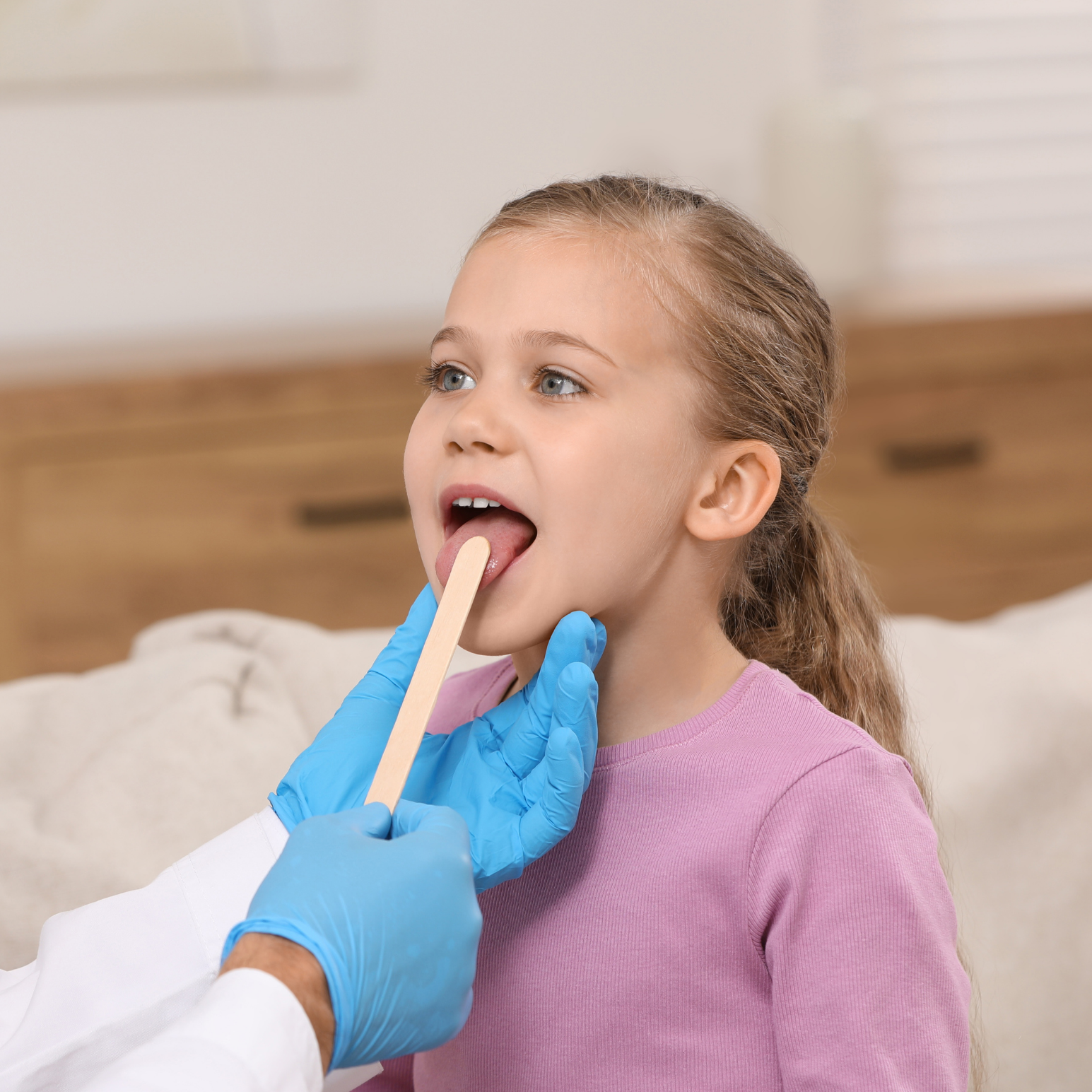
This is where Bloor West Dental shines. Early intervention may help guide jaw development, improve oral function, support nasal breathing, and reduce the risk of more extensive treatment later.

Teens
As children grow, airway concerns can continue to affect sleep, jaw development, bite, and orthodontic stability. Treatment may help support a healthier bite and more stable function.

Adults
Adults may benefit from airway-focused care when symptoms include snoring, fatigue, clenching, grinding, poor sleep, jaw tension, dry mouth, or orthodontic relapse. For select patients with diagnosed mild to moderate obstructive sleep apnea, a dental sleep appliance may be part of treatment.
What Happens During an Airway Assessment?
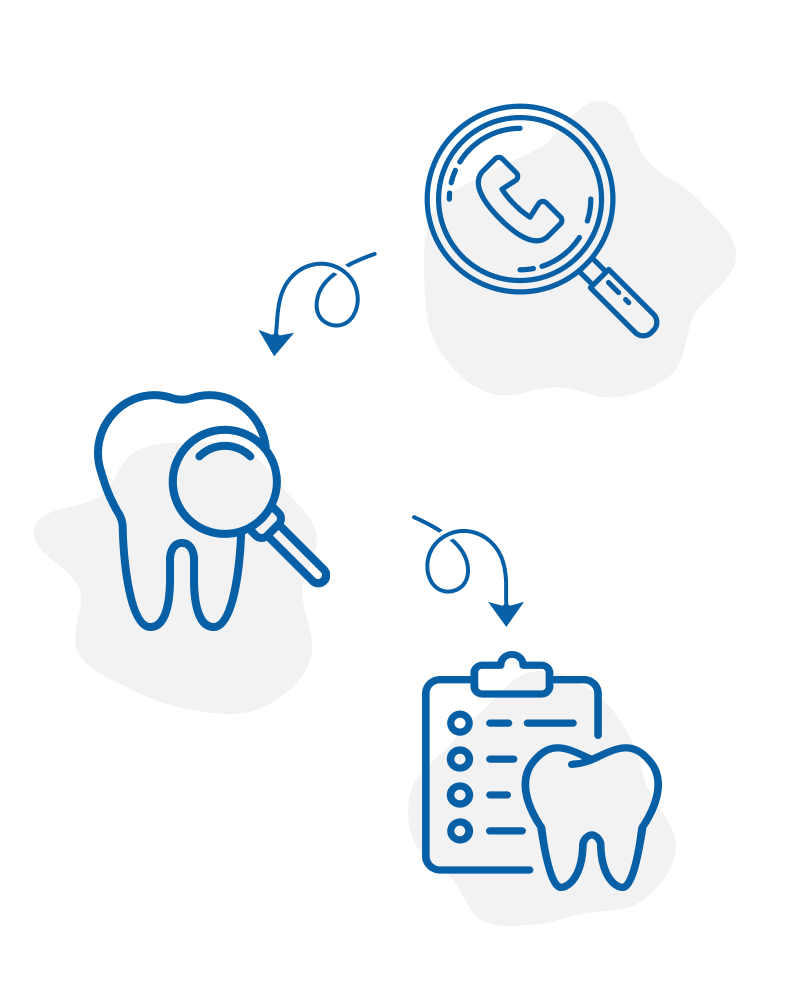
An airway assessment is the first step in understanding whether breathing, sleep, oral habits, and development may be affecting health and function.
At Bloor West Dental, your inquiry begins with a discovery call so we can better understand your concerns and determine whether we are the right fit for your needs.
During your visit, we may assess:
- Breathing patterns
- Sleep-related concerns
- Tongue posture and oral function
- Jaw and facial development
- Bite and arch form
- Habits such as mouth breathing, thumb sucking, or tongue thrust
- Signs of clenching, grinding, or muscle tension
After the assessment, we review findings, discuss whether treatment is indicated, and guide you through the next steps. Airway care is often multidisciplinary, and collaboration with other healthcare providers may be recommended when appropriate.
Why Early Intervention Matters
When concerns are identified early, there is often more opportunity to support healthy development while a child is still growing. Early assessment can help guide jaw and facial development, promote nasal breathing, improve oral function, reduce crowding, and build a stronger foundation for future orthodontic stability.
Not every child needs treatment early. But when signs of sleep-disordered breathing, crowding, or poor jaw development are present, early assessment provides valuable clarity.

Promote nasal breathing
Guide jaw and facial development

Support proper tongue function

Reduce crowding

Improve oral function

Support better sleep quality
Why Families Choose Bloor West Dental

Bloor West Dental offers airway-focused care that looks beyond the teeth. We take time to understand how breathing, sleep, oral function, jaw development, and long-term stability work together.
Families choose our team because we offer:
- A wellness-based, individualized approach
- Airway-focused assessments for children and adults
- Strong experience in early interventional orthodontics and growth guidance
- Support from trained myofunctional therapists
- A collaborative approach that helps families feel informed and supported