The Tongue Tie. By: Dr. Nishita Ondhia
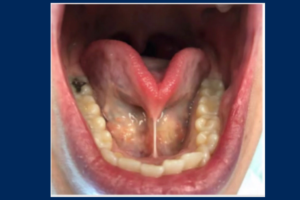
The tongue plays an important role in proper swallowing, nasal breathing, jaw development, TMJ stability and sleep quality. When it is restricted, tied or tethered the body will compensate and different symptoms will cascade.
Some areas of symptoms are as follows:
-
- Feeding and Speech
- Sleep and Breathing
- Face and Jaw Development
- Behaviour and learning
Feeding and Speech symptoms include difficulty breastfeeding, picky eating with or without texture aversions, gagging easily or continued drooling.
Sleep and Breathing symptoms include snoring, mouth breathing, restless sleep, restless sleep, nighttime bedwetting and excessive nighttime sweating.
Face and Jaw Development symptoms are long faces, crowding in the primary dentition, shiners, open mouth posture, retrognathic mandible and a low tongue posture.
Behaviour and Learning symptoms are ADHD-like symptoms, daytime tiredness, difficulty with emotional regulation and fidgeting.
If you suspect a tongue tie, please visit a health care professional for further assessment. Please note if a tongue tie release is indicated, it is very important to have myofunctional therapy before and after the release. It is imperative to prepare the tongue by strengthening the tongue before the release and then training the tongue after the release.
Airway Health is a multidisciplinary approach and requires guidelines and proper collaboration for the best results.
By: Dr. Nishita Ondhia